A Smart Ring Controlling Smart Glasses Is Weirdly The Most 2026 Thing
Even Realities' G2 glasses and the R1 ring turn a finger twitch into navigation. The first input combo that made me forget the screen.
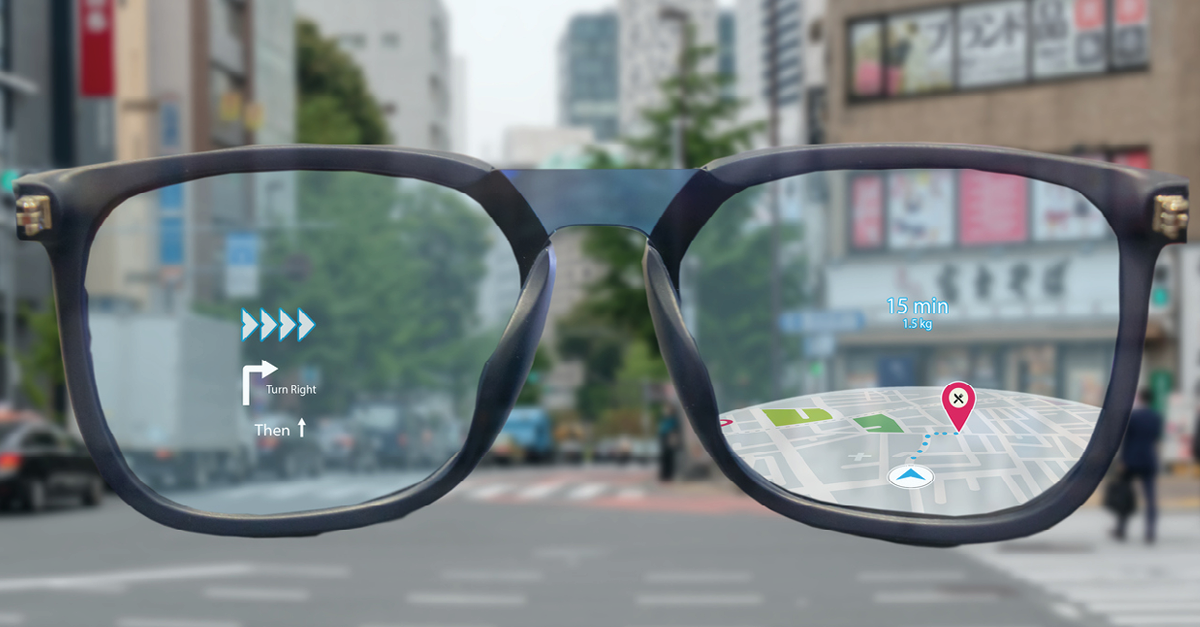
The pitch sounds like a parody of tech in 2026: a ring on your finger that controls the glasses on your face. I rolled my eyes too. Then I spent a couple of days with the Even Realities G2 paired to the R1 ring, and the eye-roll turned into “oh.”
## The setup
The G2 are everyday-glasses-shaped smart glasses with a small display projected into your field of view — directions, messages, a tiny always-available HUD. The R1 is a slim titanium ring with a capacitive surface and a hardware link to the glasses. No phone-fishing, no voice commands into a crowded room, no waving at your face.
A tap on the ring opens a menu. A swipe scrolls through it. A long press dismisses. That’s the whole interaction model. It took about ten minutes before it stopped feeling like magic and started feeling obvious.
## Why the ring matters
The problem with smart glasses has never really been the glasses. It’s been the “how do you control them” question. Touchpads on the temples work but broadcast “I am using my glasses” to everyone in the room. Voice is great until you’re on a train. Hand gestures in the air are, charitably, silly.
A ring solves this by making the input invisible. You can advance a navigation step while your hands are on the handlebars. You can dismiss a notification mid-conversation without anyone noticing. The social friction drops to almost zero, and that’s the thing that actually makes wearables wearable.
## What it’s good for
Walking directions, hands-free. This is the use case that sold me. Dismissing notifications without pulling out a phone. Advancing slides in a presentation. Music controls. Anything that’s currently a “quick check” on your phone.
## What it’s not
It’s not a replacement for the phone. You’re not reading long messages on the G2, and you’re not typing on the R1. The screen is tiny and the input is one-dimensional. This is a companion device, and Even Realities has been careful not to oversell it as anything else.
Battery on the ring is about three days of light use; the glasses last a full day. Both charge on small magnetic pucks. Neither has the compromises you expect from first-gen wearables.
## The bigger shift
What’s interesting isn’t the individual pieces — it’s the pattern. A discrete wearable paired with a discrete input, both small enough to forget you’re wearing them. For years the industry has been trying to build the one device that does everything. The ring-plus-glasses combo is the first argument I’ve seen that maybe the future is the opposite: a handful of small, quiet, very good objects that talk to each other.
Your phone stays in your pocket. Everything you actually need is already on you. That’s a real shift, and it started with a ring.